
The Food Supply Behind the Towers
The Robot Who Looked Like MeThis subplot traces how the postwar food system depends on the goo and how that dependence conceals a biological and human risk.
increasing Bearing strength in each event
 decreasing
Bearing strength in each eventdecreasingA World After War
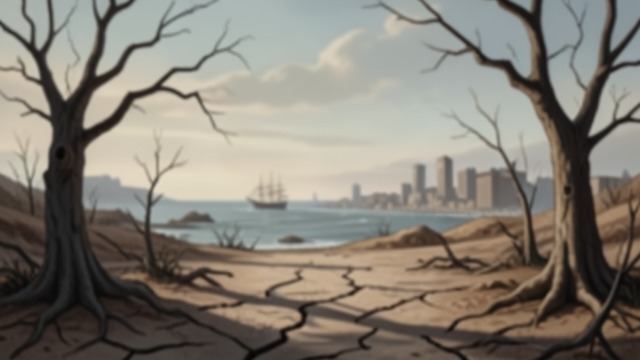
Ecological Damage
A damaged biosphere
The Third World War destroys ecosystems and leaves many animal and plant species unable to survive. Human populations remain enormous even as ordinary food sources disappear.
A growing emergency
The resulting hunger and food riots show that political survival depends on restoring nourishment. The world’s recovery is shaped by the consequences of the war it has survived.
The Goo Becomes Food
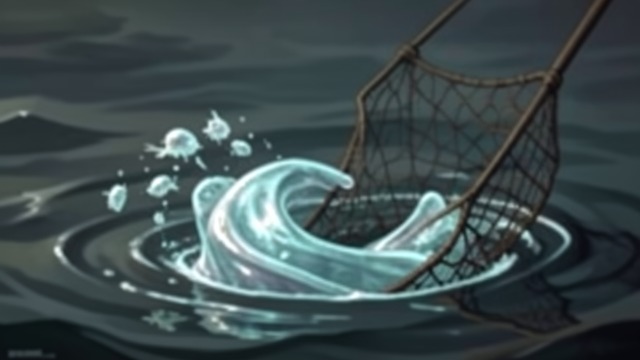
An Unexpected Resource
Mutation at the shoals
Radiation and environmental change create a new plankton-rich growth at Diamond Shoals. The goo develops a strong urge toward forms without becoming an ordinary animal or plant.
Processing changes its role
When killed and processed, it provides nutrients for the world’s population. What had seemed like an ecological threat becomes a crucial food source.
The Tower System
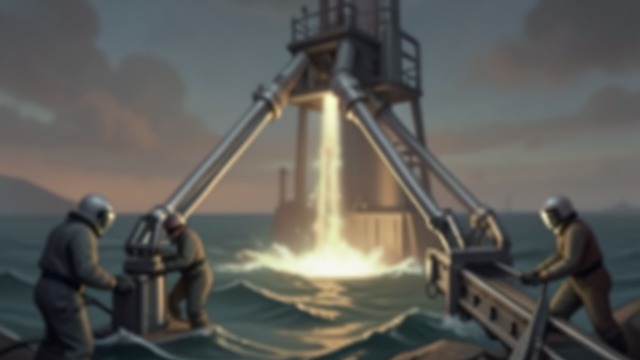
Harvesting at Scale
Industrial collection
TexasTowers collect goo from the ocean and send it to processing plants. Specialized workers receive high wages because exposure to the living substance is hazardous.
Expansion after collection
The processing methods multiply the original material, turning each harvest into a much larger supply. The system feeds billions but gives workers limited control over its biological consequences.
A Rare Infection
The Cost of Hazard Pay
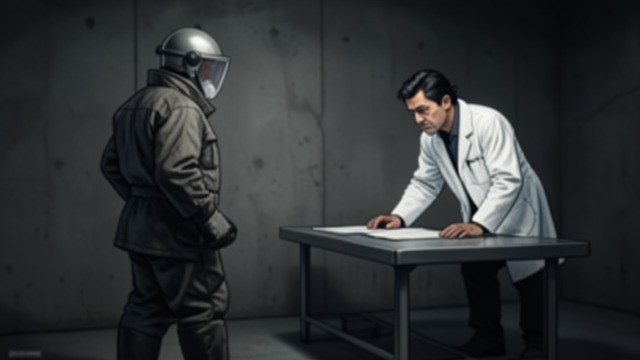
A worker becomes a case
Pareti’s unusual symptoms lead Dr. Ball to diagnose Ashton’s Disease. The company’s high-risk compensation now appears as payment for exposure to a danger that had seemed remote.
Responsibility disputed
Ball argues that Pareti accepted the terms and that the Company bears no responsibility. The conversation exposes how contractual disclosure can fail to protect a worker facing an unprecedented disease.
A Worker Is Sent Away
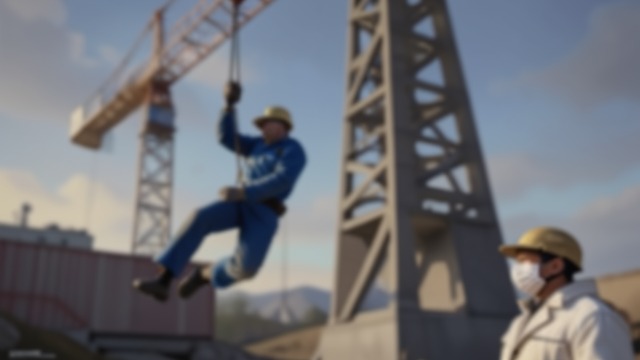
The Tower Removes the Patient
A forced departure
The rules require Pareti to leave the TexasTower, though his disease is not contagious to people. He receives back pay and a termination bonus but loses his place at work.
Risk follows him ashore
A Company lift carries him away from the tower and toward the surface cities. The policy manages the institution’s risk by transferring uncertainty to the infected worker.
During the decades after the Third World War
A decade after the war
During Pareti’s years of work
After Pareti wakes from his last shift
Within an hour of the diagnosis
